Tags

The Guardian, 18 May 2002
None but the Brava
It was the first big package destination, but the Costa Brava is not all high rise and chips, says Paul Gogarty.
It was 9pm and Tamariu beach was still buzzing with children playing volleyball or running after each other into the sea. A huddle of middle-aged male Catalans flexed their mahogany bodies attempting to stiffen flagging pecs. Old friends, they prodded each other and laughed.
On the adjacent boules court, six elderly compadres were hotly contesting the final stages of their world championship. The sun was in retreat, creeping across the beach, up through the stylish huddle of three-storey white buildings that fringed the tight bay, and trailing a blaze through the precipitous pine forest.
We were sitting on a bar terrace in the prettiest of the densely pine-clad plunging coves which moved a 20th-century Catalan poet to dub this coastline “Costa Brava” – the “Rugged Coast”. Fifty yards away an 8ft-high diving board projected from the rocks above the barely breathing sea; two hours earlier we had been leaping from it with all the other kids sharing in the general Esperanto of screams and whoops.
The day had been what many go on holiday for: shuffling from café to sandy beach to boules court to beach to rocks to al fresco restaurant and back once more to the pretty beach. Now it was time to head back to our villa in the hills, five minutes’ drive away.
All day, the moon had hung in the sky. Finally, Mars arrived with a couple of early stars, a few constellations put in an appearance and soon it was a street party up there. Millions of miles beneath them, we were now enjoying a party of our own in the villa’s floodlit pool. Two families who seem to have known each other forever with no nasty personal habits left to discover: seven of us sharing the pool, the snorkelling gear, the inflatable boat, the supermarket grilled chickens and those stars.
With two weeks of summer holiday, we were able to be a little more generous with the days, squeezing in several sorties from our Tamariu base. Having two families in tow meant there was always an option: those who didn’t fancy a particular outing stuck to the beach and the villa pool.
The first excursion, for the youngest family members, was to the waterpark Aquadiver at Platja d’Aro with its licorice-twist water slides and aquatic mayhem. My wife skipped that one. The children were next abandoned as Susanna and I headed for a long lunch on the terrace of the elegant inland Mas de Torrent restaurant.
Our daughter Larne then joined us on a visit to a castle museum devoted to Salvador Dalí in the medieval village of Pubol (not to be confused with the far busier, internationally feted Teatre-Museu Dalí in more northerly Figueres). While Larne spent endless hours trying to imitate the bizarre world of the Catalan master for her GCSE art coursework, we adults enjoyed a three-course local banquet with wine for a total of £12 at the restaurant next door.
The Baix (Lower) Emporda area of Catalonia is knee-deep in medieval villages like Pubol – Fonteta, Ullastret, Palau-sator, Peratallada and Monells among them – perching on its outcrop staring over fields of wheat and sunflowers, olive groves and scattered masies (farmhouses). A local saying claims that God made the world in a week and, having perfected his art, spent the next year creating Emporda. It’s perfectly believable.
This coast, like the Catalans who inhabit it, possesses style and independence. Like the Catalans, however, you need to be discerning to discover the best of it for the Costa Brava was Britain’s first mass package-holiday destination back in the 60s and the legacy is still clearly visible from Platja d’Aro south. The area to head for is the necklace of bays strung round Begur – Calella de Palafrugell, Llafranc, Tamariu, Aiguablava and Aiguafreda. Along this stretch are villas to die for, the occasional small family-run hotel, a corniche to put all others in the shade, the wonderful Sunday market at Palafrugell, delicious Ampordan cuisine (a bizarre but heavenly mix of sea and mountains, fish and fowl, and sweet and sour which reaches its zenith in the lobster with chicken served in a chocolate sauce), and of course those incomparable bays.
A drink on the terrace of the Parador at Aiguablava followed by dinner at the lighthouse restaurant on the cliffs at Llafranc provides two of the most indelible memories and views of any holiday you’re likely to take.
The real Costa Brava starts at Calella de Palafrugell, which boasts the Cap Roig Botanic Garden and two beach fronts. The most southerly of the two is graced by traditional arcaded fishermen’s homes and elegant terraced bars. The northern beach is flanked by handsome Americanos villas (homes bought by Catalans returning from making their fortunes in South America). A sublime kilometre-long, partly shaded cliff walk leads over to the next bay, Llafranc, which has a deeper and longer sandy beach flanked by cafés, restaurants and bars.
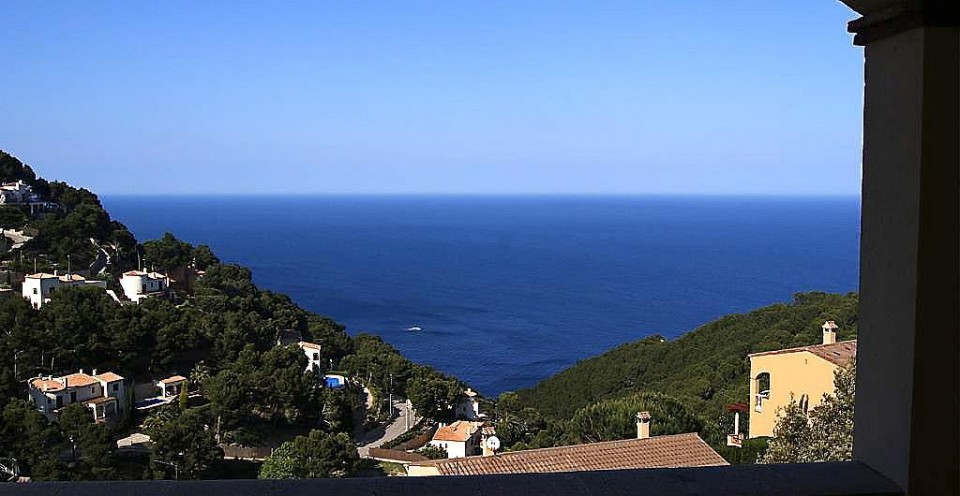
Next up come the pine-clad bays of Tamariu, Aiguablava, Sa Tuna, Aiguafreda and Sa Riera which radiate round Begur and are the quintessential Costa Brava resorts with their small sandy beaches, whitewashed low-slung bars, and surrounding villas watching them from the hills.
At Platja de Pals, the cliffs suddenly pancake to a white sandy beach flanked by campsites. The beach is long and exposed to winds that quickly whip up the sands. It runs to L’Estartit, the most popular package resort along the northerly coast with a large marina, excellent beaches and nightlife.
L’Escala is a working town with a charming 60s seafront. The best beaches are to the north, alongside the Greco-Roman ruins of Empuries (reputedly the most important Greek ruins west of Italy).
Roses, a medium-sized resort with a fishing port and four-mile beach, is where the hills rise up again and the coast rediscovers its drama as the Pyrenees take their final plunge into the Mediterranean millpond.
Cadaques, home to Dali, is the St Tropez of the Costa Brava – an artists’ colony with a small stony beach, pretty cobbled alleys and whitewashed fishermen’s cottages.
Waking one morning and staring out from the villa balcony towards the pine-blanketed hills, my eyes finally settled on the villa pool beneath me. Scattered round it was the detritus of another successful day – the inflatable boat bobbing untended along the water like the Mary Celeste, oars, a ball, snorkels, masks, flip flops, and towels abandoned wherever they were last used by exhausted family members. It looked like a typhoon had blown through overnight and deposited the flotsam on our shore. It’s hard to imagine a better shore to be washed up on.
 Casa Buena Vista